Fuel Filter Replacement and Why It Matters for Engine Performance
Fuel filter replacement is an essential but often overlooked part of vehicle maintenance. While many drivers focus on oil changes and tire rotations, the fuel filter quietly protects the engine by keeping contaminants out of the fuel system. When the filter does its job well, fuel flows cleanly and consistently. When it becomes restricted, performance issues can slowly develop.
Over time, dirt, rust, and sediment from the fuel tank accumulate inside the filter. As this buildup increases, fuel flow becomes limited. The engine may still run, but efficiency and responsiveness often decline. Understanding how fuel filter replacement works and when it is needed helps drivers prevent avoidable drivability issues.
This article explains what a fuel filter does, how often it should be changed, common warning signs, and how local driving conditions influence replacement timing.
What a Fuel Filter Does in the Fuel System
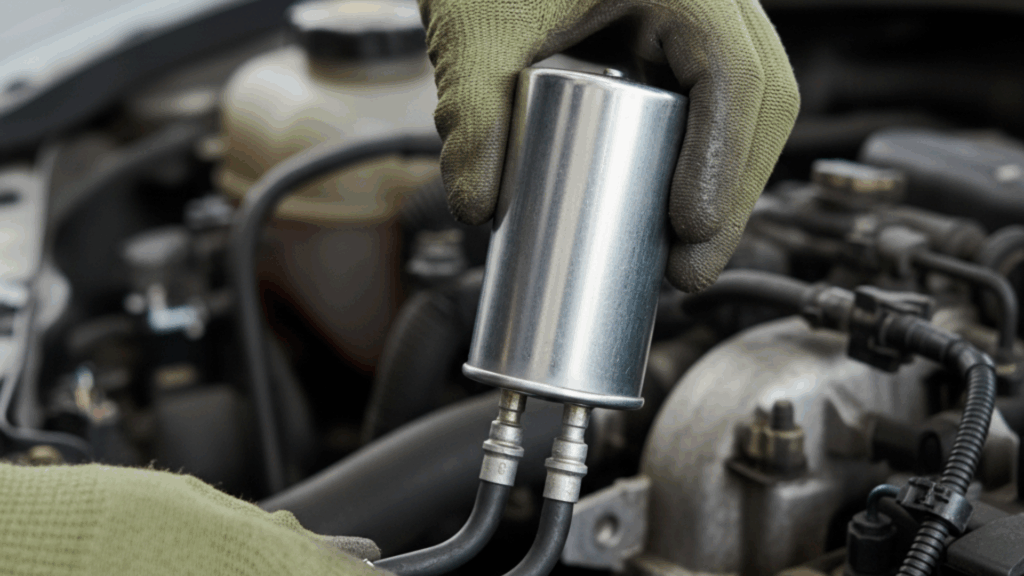
The fuel filter acts as a barrier between the fuel tank and the engine. As fuel travels through the system, it can carry small particles that would damage sensitive components if left unfiltered. The fuel filter traps these contaminants before they reach injectors or fuel rails.
Modern engines rely on precise fuel delivery. Even minor debris can affect injector spray patterns or fuel pressure. A clean fuel filter supports steady fuel flow, which helps the engine operate smoothly and efficiently.
Although fuel filters are designed to last, they are not permanent components. As contaminants collect, the filter gradually becomes more restrictive, which is why replacement is necessary.
How Often Should a Fuel Filter Be Changed?
How Often Should a Fuel Filter Be Changed Based on Mileage?
One of the most common questions drivers ask is how often a fuel filter should be changed. Manufacturer recommendations typically range between 30,000 and 100,000 miles, depending on the vehicle, fuel type, and system design.
Older vehicles often require more frequent fuel filter replacement, while some newer models use in tank filters designed for longer intervals. Checking the owner’s manual provides a baseline, but mileage alone does not tell the full story.
Factors That Can Shorten Fuel Filter Life
Real world driving conditions can significantly affect fuel filter lifespan. Replacement may be needed sooner when vehicles experience:
- Frequent short trips
- Stop and go traffic
- Long periods of idling
- Inconsistent fuel quality
- High mileage use
These factors increase the amount of debris and sediment passing through the fuel system, accelerating filter restriction.
Signs a Fuel Filter May Need Replacement
Fuel filter problems usually appear gradually rather than suddenly. Because the engine compensates as fuel flow becomes restricted, early symptoms are easy to overlook.
Common signs that fuel filter replacement may be needed include:
- Sluggish or delayed acceleration
- Difficulty starting the engine
- Hesitation under load or uphill driving
- Reduced fuel efficiency
- Rough or unstable idle
These symptoms can also be associated with other fuel or ignition issues, which is why proper inspection is important before replacing parts.
What Happens During Fuel Filter Replacement
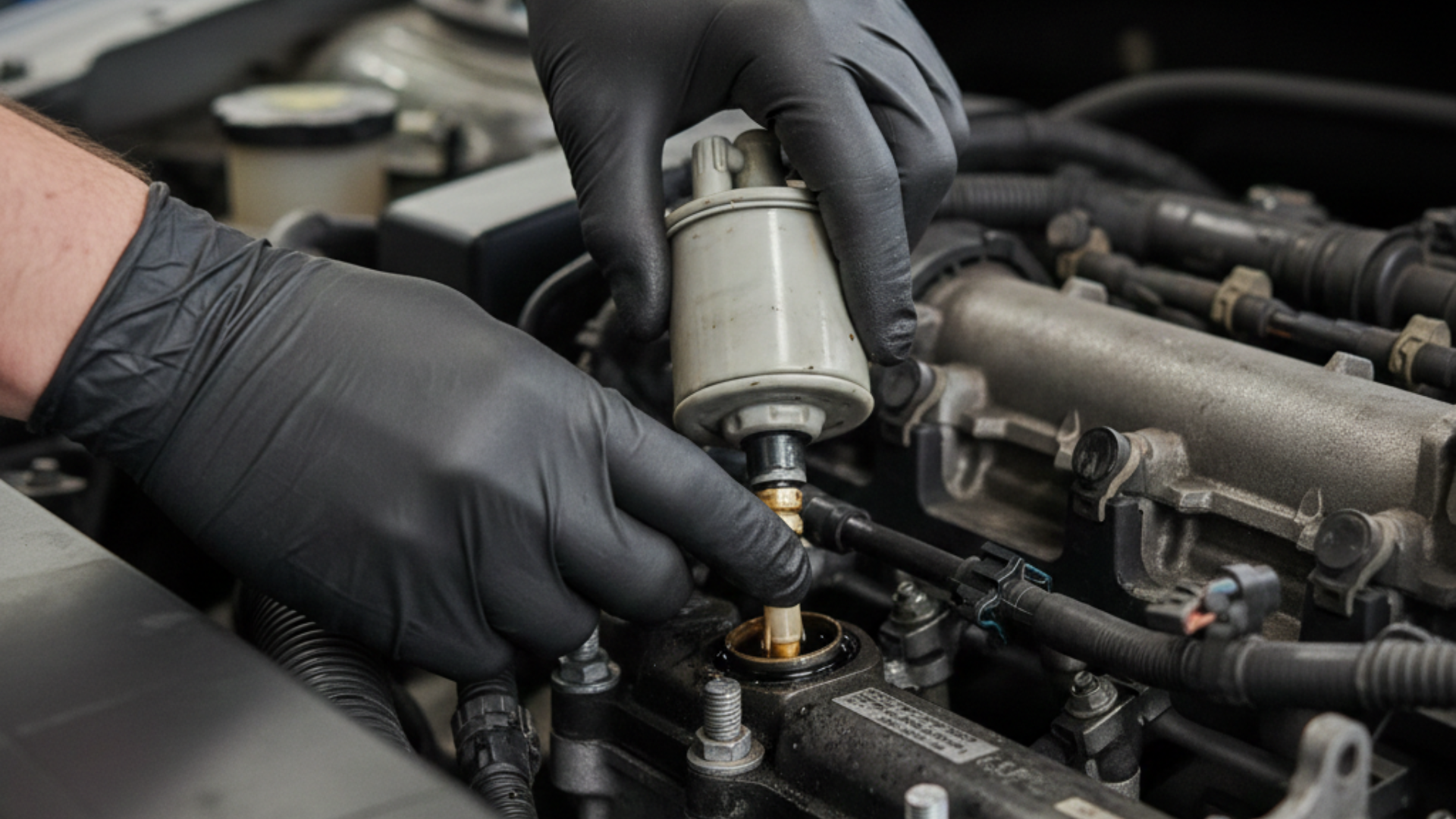
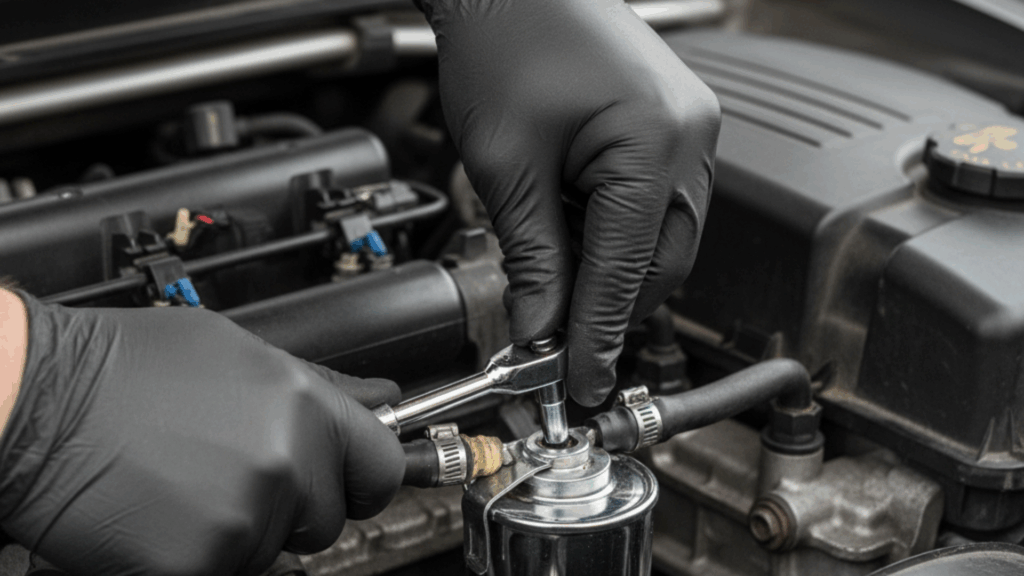
Fuel filter replacement involves removing the old filter and installing a new one that meets the vehicle’s specifications. Depending on the vehicle design, the filter may be located along the fuel line, underneath the vehicle, or inside the fuel tank.
Proper installation ensures correct flow direction and secure sealing to prevent leaks. After replacement, fuel pressure often stabilizes, especially if the old filter was restricted.
Unlike broader fuel system services, fuel filter replacement focuses specifically on contaminant control rather than deposit removal. This distinction helps keep maintenance decisions targeted and effective.
Fuel Filter Replacement and Engine Protection
Replacing a clogged fuel filter helps protect other fuel system components from unnecessary strain. When fuel flow is restricted, the fuel pump may work harder to compensate, increasing wear over time. Injectors are also more vulnerable if debris bypasses a failing filter.
Consistent fuel filter replacement supports:
- Stable fuel pressure
- Cleaner injector operation
- Reduced fuel pump stress
- More predictable engine performance
These benefits make fuel filter maintenance a preventative step rather than a reaction to failure.
How Local Driving Conditions Affect Fuel Filter Wear
Driving environment plays a major role in how quickly fuel filters become restricted. Urban and suburban driving often involves traffic congestion, frequent stops, and short trips that prevent the fuel system from operating at ideal conditions.
In areas such as Lake Elsinore, Menifee, Murrieta, Temecula, Perris, and Wildomar, daily commuting patterns and warm temperatures can contribute to faster fuel system wear. Understanding how these local conditions affect maintenance timing helps drivers avoid unexpected performance issues.
Fuel Filter Replacement Insights for Reliable Everyday Driving
Fuel filter replacement may not be a visible form of maintenance, but its impact on engine reliability is significant. By keeping contaminants out of the fuel system, a clean filter supports consistent fuel delivery, smoother operation, and long term engine health.
Knowing how often a fuel filter should be changed allows drivers to plan maintenance proactively rather than waiting for drivability problems to appear. When replacement intervals are based on both manufacturer guidance and real world driving conditions, vehicles are more likely to remain dependable.
For drivers seeking local guidance and practical maintenance insight, Sharkey’s Mobile Automotive Repair works with vehicles throughout the Inland Empire and surrounding communities. If your vehicle is showing signs of hesitation, reduced fuel efficiency, or inconsistent performance, call 951-498-6894 or complete the contact form to schedule an evaluation tailored to your driving habits and vehicle condition.