What Is Included in a Fuel System Service
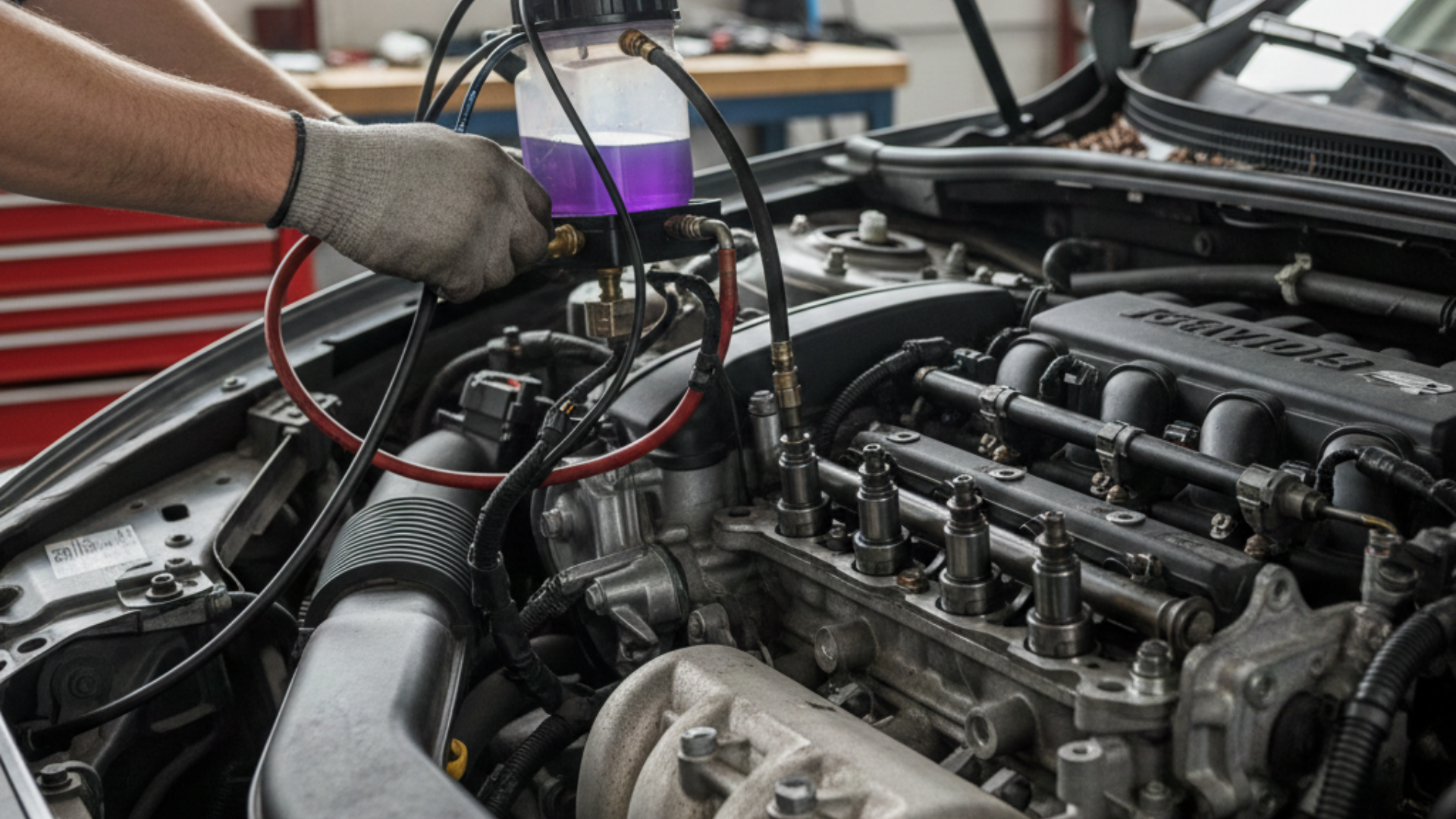
A fuel system service is a form of preventative maintenance that focuses on the components responsible for delivering fuel from the tank to the engine. While the term is commonly used in automotive maintenance discussions, many drivers are unsure what is actually included in a fuel system service or how it differs from basic fuel additives.
As fuel moves through the system, it is exposed to heat, pressure, and combustion byproducts. Over time, this process creates carbon deposits, varnish, and residue that can affect fuel flow and combustion quality. These changes often happen gradually, which is why performance issues may appear slowly rather than all at once. Understanding what is included in a fuel system service helps drivers make informed decisions about engine care before minor inefficiencies turn into noticeable problems.
This article explains how the fuel system works, which components are typically addressed during a fuel system service, and how this maintenance supports long term engine performance.
How the Fuel System Works as a Single System
To understand what is included in a fuel system service, it helps to view the fuel system as a connected process rather than a collection of isolated parts. Fuel begins in the tank, where it is stored until needed. A fuel pump then delivers it forward at a controlled pressure, sending it through the fuel filter before it reaches the injectors.
Fuel injectors spray a precisely measured mist into the intake airflow. This air and fuel mixture then enters the combustion chamber, where ignition produces power. Each stage of this process depends on accuracy. Even small restrictions or uneven delivery can affect combustion efficiency and engine response.
Because each component influences the next, buildup in one area can create performance symptoms elsewhere. A fuel system service addresses this chain as a whole rather than focusing on a single visible issue.
Fuel Injectors and Spray Pattern Accuracy
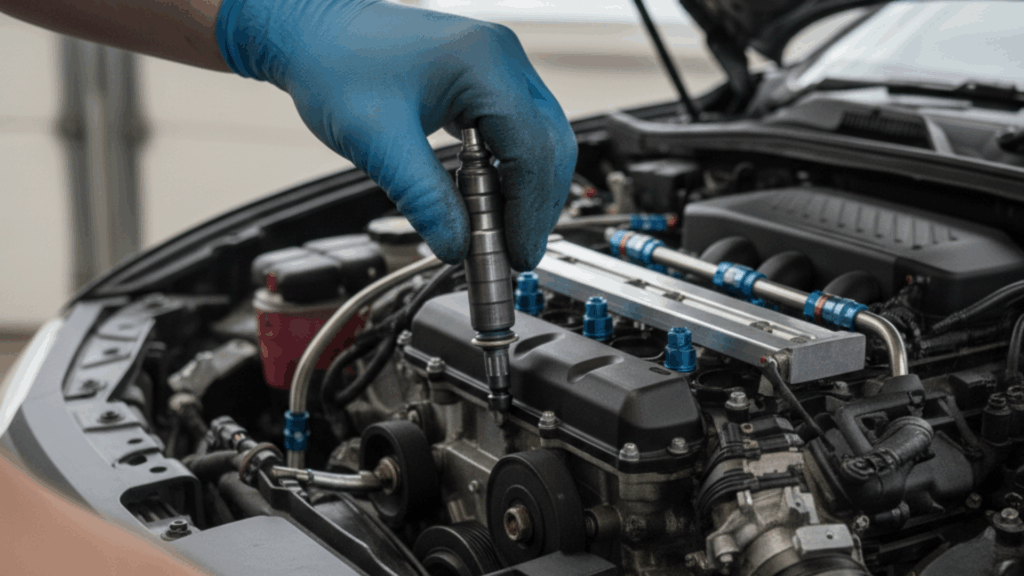
Fuel injectors play a central role in modern engine performance and are a key focus of any fuel system service. Their job is to atomize fuel into a fine mist so it can mix evenly with air before combustion. Over time, injector tips can develop carbon and varnish deposits that distort the spray pattern.
When injectors are affected by buildup, drivers may notice rough idling, hesitation during acceleration, uneven power delivery, or declining fuel economy. A fuel system service typically includes injector cleaning using professional grade equipment or concentrated cleaning solutions designed to dissolve deposits safely.
Restoring proper spray patterns allows fuel to burn more evenly, supporting smoother engine operation and improved efficiency.
Intake Valves and Airflow Restriction
In many modern engines, especially those using direct fuel injection, fuel no longer flows over the intake valves during normal operation. This allows oil vapors and combustion byproducts to accumulate on valve surfaces over time.
Carbon buildup on intake valves can restrict airflow and disrupt the balance of air entering the combustion chamber. During a fuel system service, intake components may be cleaned to remove this buildup and restore proper airflow.
Improved airflow supports better throttle response and more consistent engine performance, making intake cleaning an important part of understanding what is included in a fuel system service.
Fuel Lines, Fuel Rail, and Internal Passages
Fuel lines and internal passages carry fuel from the tank to the injectors under constant pressure. While these components are less exposed than injectors or valves, residue can still form inside them over time. Short trips, frequent idling, and inconsistent fuel quality can accelerate this process.
A comprehensive fuel system service may include cleaning or flushing these internal passages to ensure fuel flows smoothly and consistently. Keeping these pathways clean helps maintain stable fuel pressure and reduces unnecessary strain on injectors and the fuel pump.
This part of the service supports overall system balance rather than addressing a single performance symptom.
Fuel Filter Condition and Contaminant Control
The fuel filter serves as the system’s primary defense against dirt, rust, and debris. As it traps contaminants, it can gradually become restricted. When this happens, fuel flow may be limited and the fuel pump may be forced to work harder.
While fuel filter replacement is not included in every fuel system service, inspection is commonly part of the process. In cases where restriction is present, replacement may be recommended to ensure the rest of the system can function properly.
Maintaining effective filtration helps preserve the benefits of injector and intake cleaning over time.
How Driving Conditions Affect Fuel System Health
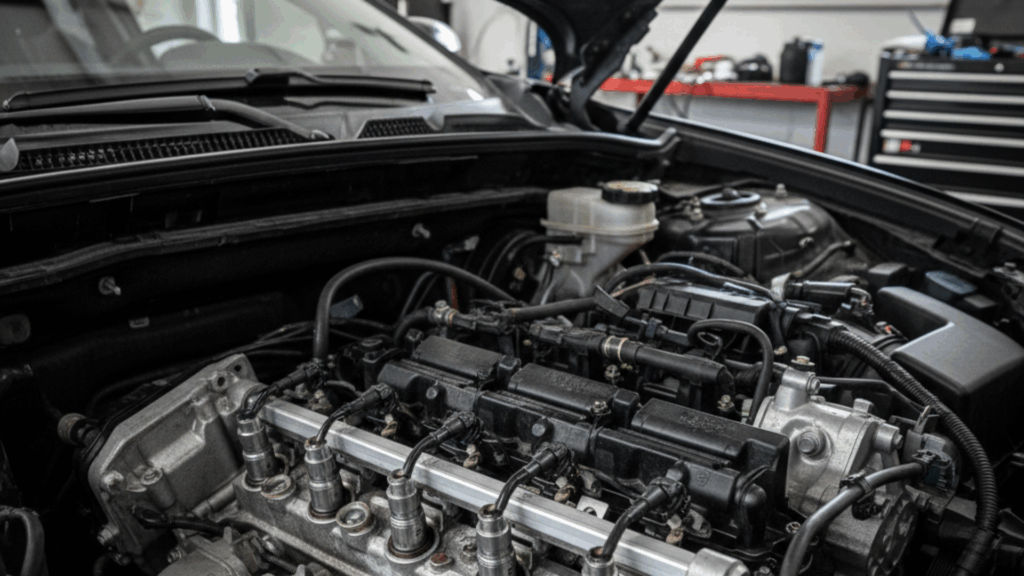
Fuel system buildup is influenced not only by mileage but also by how and where a vehicle is driven. Stop and go traffic, short trips, frequent idling, and warm operating conditions all contribute to faster deposit formation. Engines that do not consistently reach full operating temperature are especially prone to residue accumulation.
Driving patterns common in Southern California communities such as Lake Elsinore, Menifee, Murrieta, Temecula, Perris, and Wildomar often involve short commutes and traffic congestion. These conditions make fuel system maintenance an important consideration even for vehicles that appear otherwise well maintained.
Viewing fuel system performance in the context of real driving conditions helps explain why some vehicles benefit from service earlier than others.
Combustion Efficiency and Long Term Performance
One of the main reasons drivers want to understand what is included in a fuel system service is its connection to combustion efficiency. Clean fuel delivery and unrestricted airflow allow fuel to burn more completely inside the engine.
When combustion improves, drivers may notice smoother idle, improved throttle response, better fuel mileage, and more consistent power delivery. These improvements are often subtle and gradual, reflecting the preventative nature of fuel system maintenance rather than a dramatic repair.
Fuel System Service Insights for Long Term Engine Health
Fuel system services focus on the internal components that quietly influence how efficiently an engine operates over time. By cleaning fuel injectors, restoring airflow, and supporting consistent fuel delivery, this maintenance helps engines operate closer to their original design standards.
Understanding what is included in a fuel system service allows drivers to make informed decisions about preventative maintenance instead of waiting for performance issues to become disruptive. When treated as part of a long term vehicle care strategy, fuel system maintenance supports reliability, efficiency, and smoother everyday driving.
For drivers seeking guidance based on real world vehicle behavior and local driving conditions, Sharkey’s Mobile Automotive Repair works with vehicles across the Inland Empire and surrounding areas. To speak with a technician or schedule an evaluation, call (951)498-6894 or complete the contact form for assistance tailored to your vehicle.