Do Fluid Level Checks Really Matter During an Oil Change
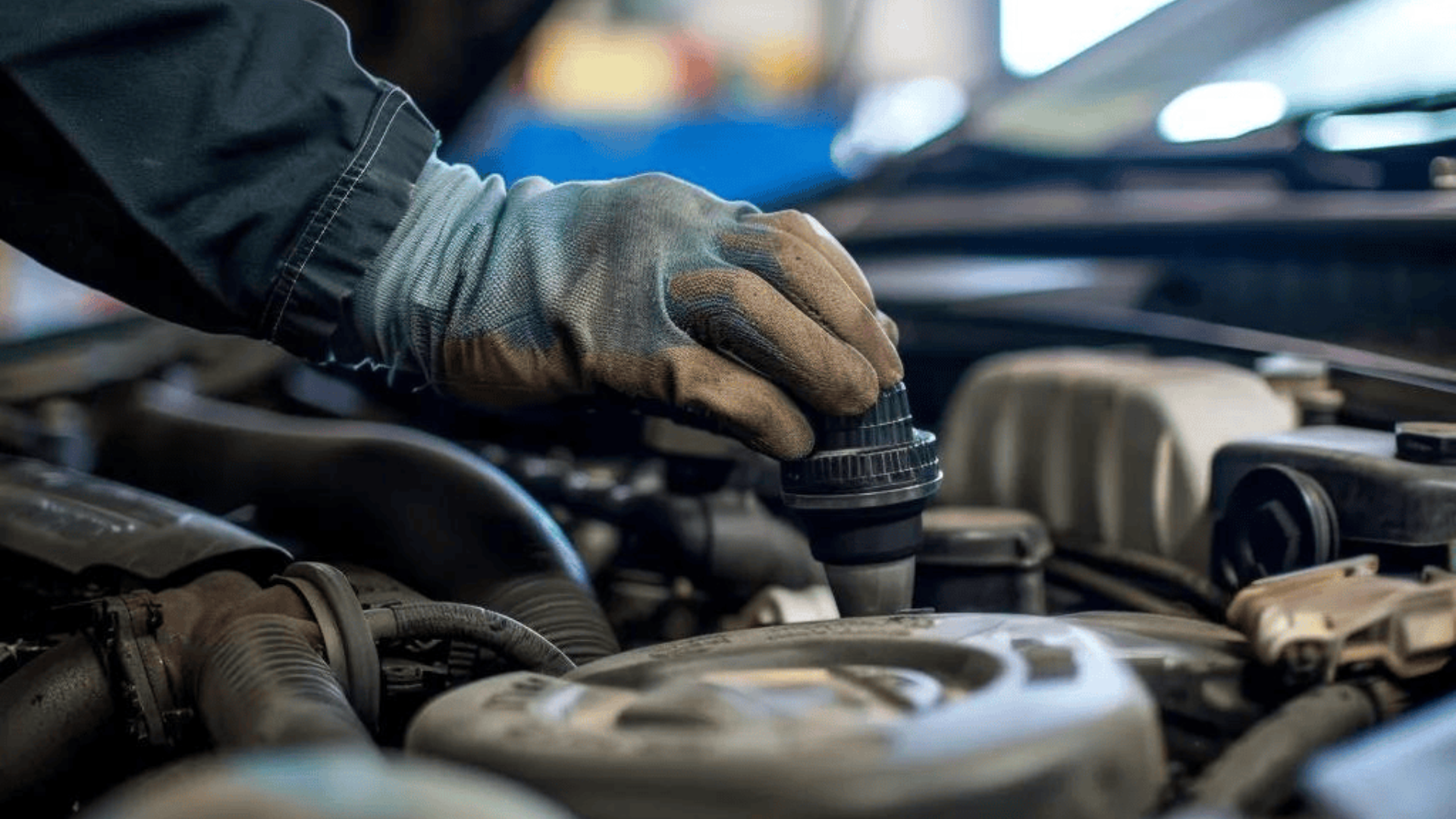
When most drivers schedule an oil change, the focus is usually on fresh oil and a new filter. What often gets overlooked is everything else that happens during that visit, especially fluid level checks. Many people assume fluids only need attention when a warning light comes on or something feels wrong. In reality, checking fluids during an oil change is one of the easiest ways to catch small problems early.
For drivers in Lake Elsinore and nearby areas, where daily driving often involves short trips, stop and go traffic, and warm temperatures, routine fluid checks play a bigger role than many realize. Ignoring them can quietly lead to performance issues, safety concerns, and expensive repairs down the road.
This article breaks down why fluid level checks matter, which fluids affect your vehicle the most, and how overlooking them can create problems over time.
What Fluid Level Checks Include During an Oil Change
Fluid level checks involve inspecting the key liquids that keep a vehicle operating properly. While engine oil gets the most attention, several other fluids work behind the scenes to reduce wear, regulate temperature, and support safety systems.
During an oil change, these fluids are typically inspected for both level and condition. This allows technicians to spot leaks, contamination, or abnormal fluid loss before they turn into noticeable problems.
Fluids commonly checked include:
- Engine coolant
- Brake fluid
- Transmission fluid
- Power steering fluid
- Windshield washer fluid
Each fluid serves a specific purpose, and even a small drop in level can affect how a vehicle performs during everyday driving.
Why Fluid Levels Affect Performance and Safety
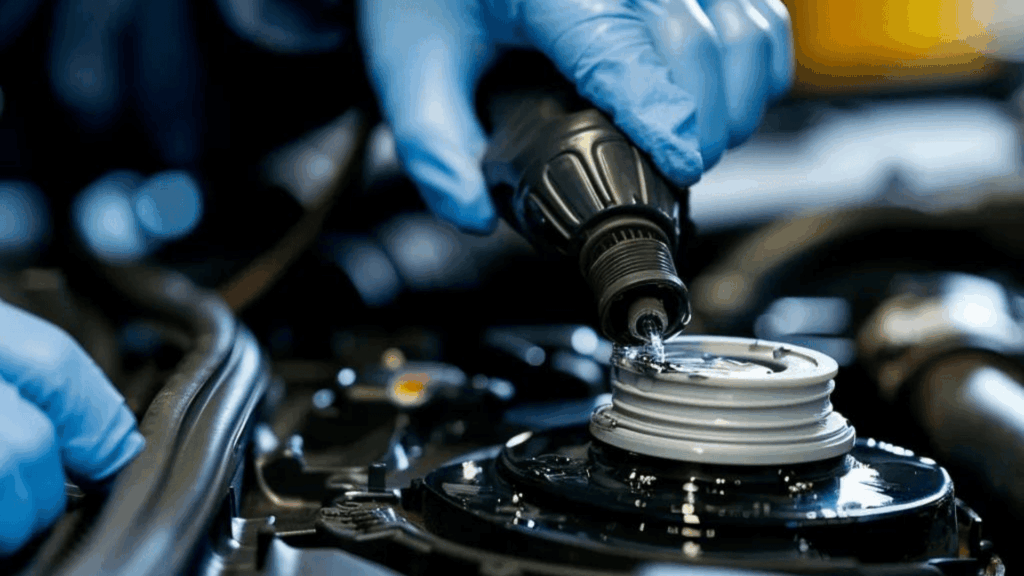
Modern vehicles rely on fluids to function smoothly. Fluids reduce friction, manage heat, and allow systems to respond correctly under pressure. When levels are low or fluids are degraded, parts begin to wear faster and performance declines.
For example, low brake fluid can reduce braking responsiveness. Old or insufficient coolant can increase the risk of overheating, especially during local traffic. Transmission fluid that is too low may cause delayed or rough shifting, something many drivers first notice during routine errands or commuting.
This is why people often search questions like:
- Does low fluid cause car problems
- What happens if I drive with low fluids
The answer is simple. Fluids directly impact how safely and reliably a vehicle operates, even when no warning lights are present.
The Most Important Fluids Checked During Routine Maintenance
Engine Coolant
Coolant helps regulate engine temperature. In Southern California conditions, coolant issues are common, particularly for vehicles that spend time idling or driving short distances. Low or degraded coolant can cause temperature fluctuations that strain engine components.
Brake Fluid
Brake fluid transfers force from the brake pedal to the braking system. Over time, it absorbs moisture, which can reduce braking efficiency. Changes in brake fluid level can also signal worn brake components or leaks that should be addressed early.
Transmission Fluid
Transmission fluid lubricates internal components and helps control heat. Low levels can lead to hesitation, slipping, or rough shifting. These symptoms often appear gradually, which is why routine checks are important.
Power Steering Fluid
Power steering fluid supports smooth steering control. When levels drop, steering may feel stiff or produce noise, especially at low speeds like parking or turning into driveways.
Windshield Washer Fluid
While not mechanical, washer fluid affects visibility and safety. Keeping it filled is a simple but often overlooked part of routine vehicle care.
How Low Fluids Turn Into Bigger Problems
Low fluid levels rarely cause immediate breakdowns. Instead, they create gradual wear that builds over time. A vehicle may continue driving normally while internal damage slowly develops.
Common long term issues caused by neglected fluids include:
- Overheating from low coolant
- Reduced braking performance from low brake fluid
- Transmission wear from insufficient lubrication
Because these problems develop quietly, fluid checks during oil changes serve as an early warning system. They help catch minor issues before they escalate into costly repairs.
Why Fluid Issues Are Easy to Miss
Many fluid related problems mimic other vehicle issues. A car may feel sluggish, respond slowly, or make unusual noises without triggering any alerts. This leads drivers to search things like:
- Why does my car feel off but no warning lights are on
- Can low fluids cause strange noises
Often, the answer points back to fluid levels. Because fluids operate in the background, problems can go unnoticed until performance is affected.
How Local Driving Habits Increase Fluid Wear
Driving habits around Lake Elsinore and surrounding communities tend to involve short trips, frequent stops, and daily errands. This type of driving puts additional strain on fluids compared to steady highway driving.
Short trips can:
- Prevent fluids from reaching optimal temperature
- Increase moisture buildup in brake and transmission fluids
- Accelerate wear during stop and go traffic
For local drivers, this makes routine fluid checks during oil changes even more important as part of regular vehicle care.
Are Fluid Checks Necessary or Just an Upsell
It is common for drivers to wonder whether fluid checks are truly needed. The key difference is that a fluid check is an inspection, not an automatic repair. It provides information about the condition of the vehicle.
A proper fluid check identifies low levels, contamination, or signs of leaks. Any next step should be based on actual findings, allowing drivers to make informed decisions instead of reacting to unexpected failures later.
Keeping Lake Elsinore Vehicles Protected Through Routine Fluid Checks
Fluid level checks during an oil change do more than provide peace of mind. They help protect vital systems, support safe driving, and reduce the risk of unexpected breakdowns. For drivers in Lake Elsinore and nearby areas, where everyday driving conditions can accelerate wear, these checks are an essential part of responsible vehicle maintenance.
Catching low or contaminated fluids early can prevent larger repairs, extend vehicle life, and keep your car running the way it should. Fluid checks are not about finding problems that are not there. They are about preventing small issues from becoming major ones.
If you are due for an oil change and want a thorough service that includes proper fluid level checks, call Sharkey’s Mobile Auto Repair at (951) 498-6894 or complete the contact form to schedule on site service. Taking care of routine maintenance now can save time, stress, and money later.