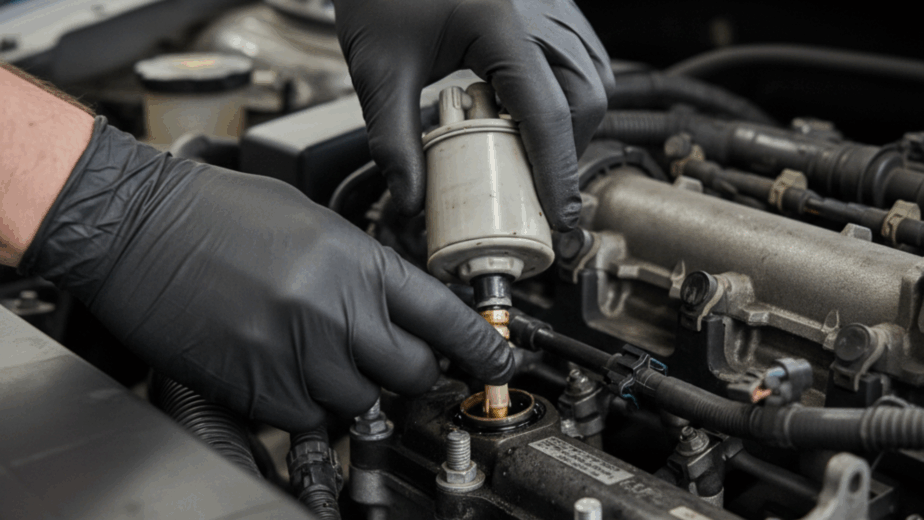
Important Monthly Car Maintenance Tasks: Your Simple Monthly Car Care Checklist for Safety and Reliability
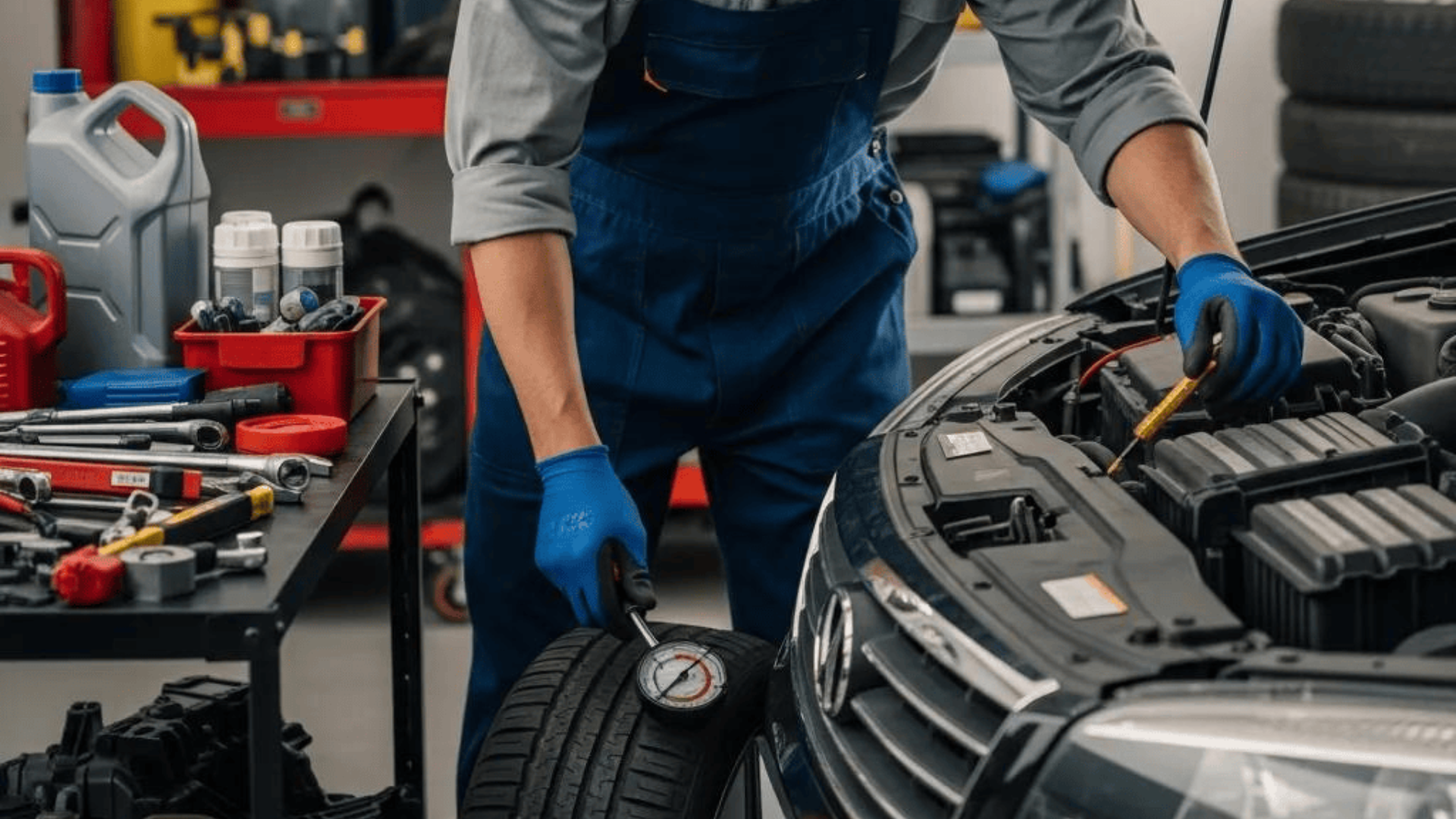
Keeping up with your vehicle’s maintenance doesn’t have to be complicated, but it does need to be consistent if you want your car to stay safe and reliable month after month. Many drivers overlook simple checks like fluid levels, battery health, tire condition, or brake wear — and these small issues often turn into expensive repairs when ignored.
The good news is that these tasks are easy to manage, and if you ever need help, Sharkey’s Mobile Auto Repair can take care of them right in your driveway. Our mobile mechanics handle everything from routine inspections and tune ups to more advanced repairs, giving you a convenient way to stay on top of your vehicle’s health without visiting a shop.
This monthly car care checklist walks you through the essential tasks that keep your vehicle running smoothly, prevent breakdowns, and save you money over time.
What Are the Most Important Monthly Car Maintenance Tasks?
Each month, focus on the parts that change fastest between services: tires, fluids, battery, belts and hoses, lights, wipers, filters, and dashboard indicators. Small shifts—a few PSI lost, oil darkening, a dip in battery voltage, or a cracked hose—are easy to miss but can quickly lead to larger failures. A short monthly routine lowers the risk of roadside breakdowns, can improve fuel economy, and helps parts last longer. Below is a concise checklist that prioritizes what matters for safety and reliability, with links to deeper guidance later in the article. The next section explains how these routine checks extend vehicle life and why mobile maintenance makes staying on top of them easier.
Which Monthly Checks Ensure Vehicle Longevity and Driver Safety?
Simple monthly inspections of tires, fluids, electrical health, belts and hoses, and lights create an effective defense against cascading failures. Correct tire pressure and healthy tread reduce blowout risk and shorten stopping distances; proper oil and coolant levels prevent overheating and engine wear. Often, a single timely fix—adding oil or replacing a cracked belt—avoids a tow or major repair. The benefit is straightforward: regular checks catch wear early, protect components, and preserve braking, handling, and visibility. If you notice something off, move quickly to a diagnostic check so a trained technician can confirm whether repair is needed.
The Convenience of Mobile Maintenance
Mobile auto repair brings certified mechanics and the right tools to your driveway, workplace, or roadside—so monthly upkeep doesn’t require dropping your car off or losing a day. We keep pricing transparent, don’t mark up parts (you pay what we pay), and run on‑site diagnostics to separate quick fixes from work that needs a shop. For drivers in Lake Elsinore, Menifee, Murrieta, Temecula, Wildomar, and Perris, our technicians perform focused monthly inspections and recommend only the actions needed to keep your car safe and dependable. Next, we’ll walk through tire inspections—how to measure pressure and tread and when a mobile visit should turn a simple inflation into a replacement job.
How to Perform Mobile Tire Pressure and Tread Depth Inspections?
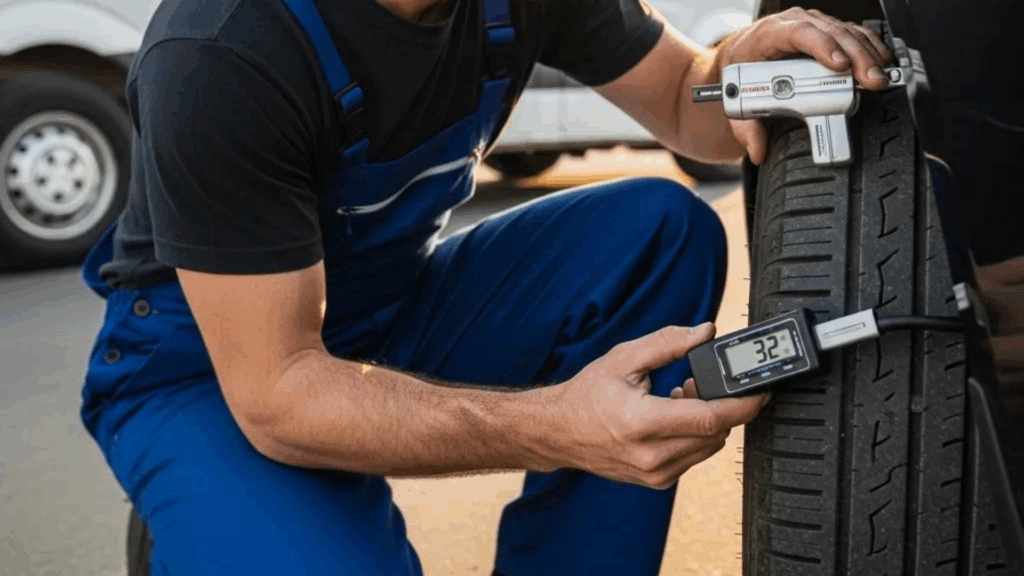
A proper monthly tire check means measuring pressure against the vehicle’s recommended PSI, checking tread depth with a gauge or the penny test, and scanning for uneven wear that could signal alignment or suspension issues. These steps keep the tire’s contact patch healthy, which affects fuel use, steering response, and stopping power. Monthly checks reveal slow leaks, punctures, and aging rubber before they become failures. The routine is simple: compare measured PSI to the placard on the driver’s door, use a tread gauge at several points across the tire, and inspect sidewalls for bulges or cuts. Doing this each month reduces rolling resistance, saves fuel, and extends tire life. If you see unusual wear or damage, inflate to spec, schedule a rotation, or replace the tire as needed.
- Inflate to the vehicle‑specified PSI on the driver’s door placard—not the tire’s maximum sidewall rating.
- Measure tread depth with a gauge or use the penny test; replace at 2/32″ or sooner if wear is uneven or wet‑traction is poor.
- Check for cuts, bulges, or embedded objects; assess sidewall integrity both visually and by touch.
Keep this short checklist handy to make tire checks quick and consistent. Next we explain how tire pressure affects fuel economy and safety.
Why Is Regular Tire Pressure Inspection Critical for Fuel Efficiency and Safety?
Tire pressure changes rolling resistance: under‑inflated tires increase fuel use and wear faster, while over‑inflation focuses wear in the center. Correct PSI optimizes economy, handling, and braking by keeping tread contact with the road as the manufacturer intended. Proper pressure also reduces hydroplaning risk and helps maintain consistent braking distances. Monthly pressure checks preserve tread life and prevent premature replacements—small actions that save money and improve safety. The next section shows how our mobile technicians perform a thorough on‑site tire inspection.
Research into tire condition monitoring highlights ways diagnostics can improve safety and efficiency.
AI‑Powered Tire Condition Monitoring for Vehicle Safety Tire condition matters for both safety and fuel economy, yet many owners don’t notice degrading rubber until it’s dangerous. One paper used a convolutional neural network to detect cracking from phone photos and reported about 81% accuracy on cropped test images versus roughly 55% for inexperienced humans. The authors describe a web service offering AI‑assisted visual diagnostics to raise awareness about tire risk without specialist training. Automotive diagnostics as a service: An artificially intelligent mobile application for tire condition assessment, JE Siegel, 2018
On-Site Tire Health Checks by Mobile Technicians
Our technicians bring a calibrated pressure gauge, tread depth gauge, and a visual inspection routine, plus a TPMS scan if applicable, to read sensors and fault codes. Workflow: measure and record PSI on all four tires (and the spare if accessible), take tread readings at several points, note uneven wear, and scan TPMS sensors for faults. For small issues we’ll inflate to spec, recommend or perform rotations, and advise replacements when tread or damage warrants it—documenting findings and options with clear pricing. Fixing simple problems on the spot keeps you on the road and makes it easier to prioritize any larger shop work.
When Should You Replace Tires Based on Tread Depth and Wear Signs?
Replace tires at 2/32″ tread depth to meet the legal minimum, but plan replacement earlier—around 4/32″–6/32″—for better wet‑weather performance. Uneven wear patterns (cupping, one‑sided wear, feathering) point to alignment, suspension, or inflation problems and often mean you should replace the tire sooner and correct the root cause. Sidewall damage, exposed cords, bulges, or repeated punctures are immediate reasons to replace a tire because they risk sudden failure regardless of tread. Monthly monitoring helps you schedule replacements before emergencies and lets our mobile technicians make on‑site recommendations and bookings.
| Tire Attribute | What to Check | Action Threshold |
|---|---|---|
| Pressure (PSI) | Compare measured PSI to vehicle placard and TPMS readings | Inflate to placard PSI; check weekly if you suspect a leak |
| Tread Depth | Measure central and outer grooves with a gauge or use the penny test | Replace at ≤ 2/32″; consider replacement at 4/32″–6/32″ for better wet traction |
| Sidewall Condition | Inspect for bulges, cuts, or exposed cords | Replace immediately if structural damage is present |
This table is a quick reference for monthly tire checks. Regular inspections lower safety risk and tell you when professional repair or replacement is needed.
What Are the Essential Vehicle Fluid Level Checks to Do Monthly?
Monthly fluid checks should cover engine oil, coolant/antifreeze, brake fluid, power steering fluid, transmission fluid, and windshield washer fluid. Fluids lubricate, cool, transfer force, and enable hydraulic function—so low or contaminated fluid harms system performance and can lead to major damage. A monthly routine includes visual checks, dipstick or reservoir reads, and noting color, smell, or signs of leaks. Some fluids are safe to top off on site; others require shop equipment for a proper flush. The sections below show how to check and top off oil, why coolant and brake fluid matter, and what mobile inspections do for transmission and washer systems.
How to Check and Top Off Engine Oil During Mobile Service?
Park on level ground, let the engine cool a bit, pull the dipstick, wipe it, reinsert fully, and read the marks—electronic sensors help, but the dipstick is a reliable monthly check. Dark oil can be normal with mileage; milky or burnt‑smelling oil signals contamination or overheating and needs immediate attention. On a mobile visit we can top off oil with the manufacturer‑recommended grade if levels are slightly low, and recommend a full oil change when condition or consumption warrants it. We follow safe practices—use the correct viscosity, avoid overfilling, and record how much was added so you can track consumption over time.
| Fluid | Monthly Check Method | Acceptable Level / Action |
|---|---|---|
| Engine Oil | Dipstick or sensor read; inspect color/odor | Between min/max marks; top off or recommend oil change if dark/contaminated |
| Coolant | Reservoir level and concentration check | Between marks; low level or discoloration prompts system inspection |
| Brake Fluid | Reservoir level and clarity check | At or near max; discolored fluid suggests contamination and needs service |
| Power Steering Fluid | Reservoir level and hose inspection | Maintain between marks; low level indicates leak or pump issue |
| Transmission Fluid | Dipstick or level check when warm (if applicable) | Check color/smell; recommend shop service if low or burnt |
| Washer Fluid | Reservoir fill and nozzle test | Refill as needed; ensure nozzle spray pattern is correct |
Keep a short record of fluid checks to spot slow consumption or contamination. That helps you decide whether a simple top‑off is enough or a full service is needed.
Why Monitor Coolant, Brake Fluid, and Power Steering Fluid Levels?
Coolant prevents overheating and corrosion—low or dirty coolant can cause engine overheating and costly head gasket or engine damage. Brake fluid is hydraulic; contamination or low levels reduce braking power and increase stopping distance. Power steering fluid keeps steering assistance working—low or foamy fluid makes steering heavy and can damage the pump. Monthly visual and level checks spot leaks or contamination early so you can top off, flush, or replace fluids before they cause failure.
Mobile Service for Transmission and Washer Fluid Inspections
On site, basic transmission and washer fluid levels can be confirmed, visual condition checked, and leaks inspected. For transmission fluid that often means a dipstick or manufacturer‑recommended level check and noting color and smell—many transmission jobs still need shop equipment, so concerns will be flagged and next steps recommended. For washer systems, we refill fluid, test spray patterns, and clear minor clogs to restore visibility. Findings are documented, on‑site options are explained, and shop work is scheduled or referred when a full drain‑and‑flush or repair is necessary.
How to Maintain Car Battery Health with Mobile Battery Testing and Cleaning?
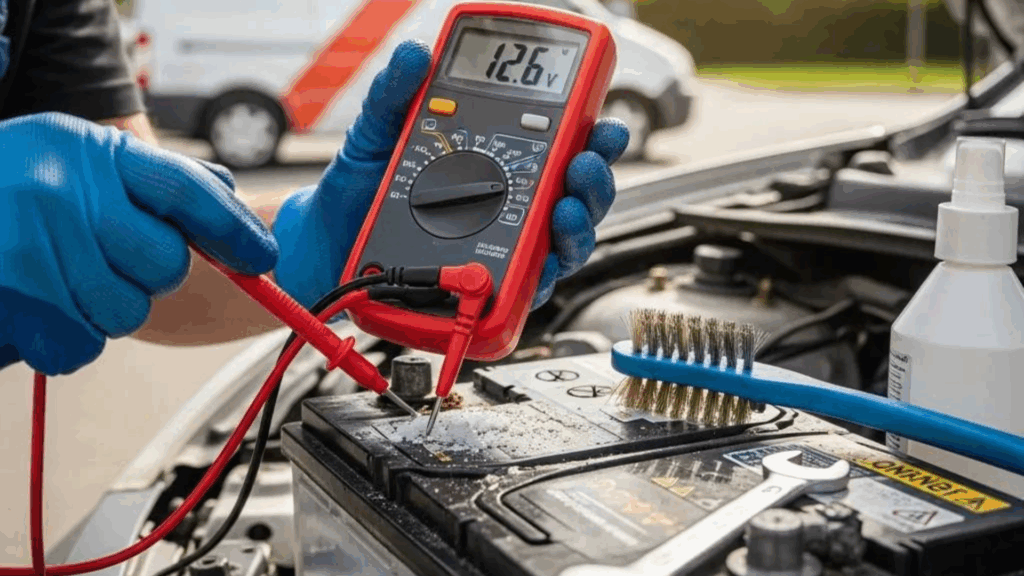
Monthly battery care should include a resting voltage check, a visual look at terminals and mounting, and testing for parasitic drains. A healthy battery reads about 12.4–12.7 volts at rest; readings below 12.4 V can indicate loss of charge or age. Load testing and CCA checks give deeper insight when results are borderline. Cleaning corroded terminals and tightening connections improves charging and starting. Tracking battery age and voltage over time helps you plan replacement before a no‑start. The sections below list common failure signs and describe our on‑site testing and cleaning process.
- Measure resting voltage with a multimeter; record it and watch for declines month to month.
- Visually inspect terminals and cables; clean corrosion with safe brushes and neutralizers.
- Note starting behavior and accessory draw; test for parasitic drain if the battery discharges unexpectedly.
These quick steps help catch early battery problems. The next section lists common failure signs to watch each month.
Recognizing Signs of a Failing Car Battery
Watch for slow cranking on cold starts, dim headlights at idle, dashboard battery warnings, or unexplained loss of charge while parked. Battery age matters—most batteries lose noticeable capacity after three to five years—so monthly checks of voltage and starting performance help you plan a replacement before it leaves you stranded. Aftermarket electronics or interior lights can create parasitic drains; if you notice faster‑than‑normal discharge, we can test for a parasitic draw to trace the cause.
Mobile Battery Testing and Terminal Cleaning
We use handheld multimeters and load testers to measure resting voltage, conductance, and simulated starting loads so you get a clear picture of battery health and remaining life. Technicians follow safety procedures—disconnecting negative first when needed, using protective gear, and cleaning terminals with the right tools and neutralizers. If a battery is marginal, we’ll show you the test results and recommend replacement options with transparent pricing and no parts mark‑up. If a swap is needed on the spot, a new battery can often be installed and the old one disposed of properly.
| Battery Attribute | Symptom to Watch For | On-Site Remedy / Recommendation |
|---|---|---|
| Resting Voltage | < 12.4 V indicates reduced charge | Re‑test under load; clean terminals and retest; recommend replacement if it stays low |
| Cranking Performance | Slow crank or repeated start attempts | Load test; replace if CCA is below manufacturer spec |
| Terminal Condition | Corrosion or loose clamps | Clean terminals, tighten connections, then retest voltage |
This table links measured battery attributes to immediate on‑site actions and longer‑term recommendations so you can plan replacement before a breakdown.
Why Are Monthly Belt and Hose Inspections Vital for Preventative Auto Maintenance?
Belts and hoses move power, coolant, and vacuum around your car. Heat and age make rubber brittle, clamps loosen, and tensioners wear—so monthly visual and tactile checks catch cracking, fraying, leaks, or slack before they cause overheating, loss of charging, or sudden mechanical failure. Typical monthly checks include verifying belt tension, listening for squeals that indicate slip, and feeling hoses for soft spots or bulges. Replacing suspect components before they fail prevents roadside breakdowns and expensive engine damage.
How to Identify Wear and Tear on Belts During Mobile Inspections?
Look for cracking, fraying, glazing, or missing ribs on belts. Gently press or twist a belt to check tension and flexibility—brittle belts or internal separation need replacement. Squeaks or chirps on startup suggest slip or misalignment; while a temporary tension adjustment may quiet the noise, the underlying cause (pulleys, tensioners, or alignment) should be checked. Our technicians can measure deflection, test tension, and recommend immediate replacement when wear or tensioner failure is present. Replacing a worn belt avoids sudden loss of alternator, water pump, or power steering function.
What Are the Common Hose Issues and How Are They Checked On-Site?
Hose problems include soft spots, bulges, cracks at clamps, and leaks at fittings—usually caused by heat cycles, pressure, and chemical exposure. On site, hoses are squeezed to check for sponginess, clamps inspected for corrosion or looseness, and dried coolant or seepage looked for as signs of slow leaks. Tightening clamps or a temporary patch may buy time, but most hose issues need replacement to restore reliability. Technicians will point out which hoses can wait and which should be replaced immediately, and can often perform the swap or schedule a quick follow‑up.
How to Ensure Proper Functionality of Exterior and Interior Car Lights Monthly?
Monthly lighting checks keep you visible and predictable on the road. Inspect headlights, taillights, brake lights, turn signals, interior dome lights, and dashboard indicators. Have someone activate signals and brakes while you observe, and check lenses for fogging or cracks that reduce output. Many light failures are simple—burned bulbs, corroded connectors, or blown fuses—but a burned bulb can also point to wiring or relay issues that need diagnostics. Quick fixes (bulb swaps, connector cleaning, fuse replacement) often restore safe function immediately.
How to Check Headlights, Taillights, and Turn Signals for Safety?
Park on level ground and test headlights, high beams, turn signals, hazards, and brake lights while you observe for correct output and response. Inspect bulbs for discoloration and lenses for fogging or cracks; check sockets and connectors for corrosion. Replace burned bulbs with the correct type from your owner’s manual, and check fuses or relays if an entire circuit is out. Adjust headlight aim if needed to avoid blinding other drivers or reducing night visibility.
Why Inspect Interior Lights and Dashboard Indicators Regularly?
Interior and dashboard lights are early warning systems—warning lights can signal engine, brake, or charging issues before they become serious. Monthly checks include confirming all dash lights illuminate briefly on startup (self‑test) and noting any persistent warnings like ABS, oil pressure, or check‑engine lights. Interior lighting problems may be simple (bulb or fuse) or point to electrical faults; fixing them early preserves the vehicle’s diagnostic trail and keeps you informed about maintenance priorities.
When and How Should You Replace Wiper Blades and Maintain Windshield Washer Systems?
Wiper blades and washer systems are essential for clear vision in rain, snow, and road spray. Monthly checks inspect blade rubber for cracks, test wipe performance for streaking or skipping, and verify washer fluid level and nozzle spray. UV, heat, and grit break down rubber quickly, so replace blades proactively—usually every 6–12 months depending on climate and use—or at the first sign of streaking. The sections below explain signs that blades need replacement and how our mobile technicians refill fluid and clear nozzles on site.
When to Replace Your Wiper Blades
Replace blades if they streak, skip, squeak, show nicks or cracks, or the frame no longer flexes evenly against the glass. Extreme heat or cold shortens blade life, so check them more often in harsh climates. A quick replacement restores wiping performance and reduces glare or smear that can impair safe driving. We can also recommend blade types that match local weather conditions.
How Mobile Service Refills Washer Fluid and Checks Nozzle Function?
Our mobile technicians refill washer fluid with weather‑appropriate solutions, inspect hoses and pumps for leaks, and test nozzle alignment and spray coverage. If nozzles are clogged, they’re cleared safely with compressed air or a fine probe, and pump wiring is checked if there’s no spray. The fluid type and amount added are recorded so you can monitor consumption and spot leaks or heavy use.
Scheduling Your Monthly Mobile Car Maintenance Appointment
Booking a monthly mobile maintenance visit is simple: tell us your location within our service area, describe the checks you want or any symptoms you’ve noticed, and give a preferred appointment window so the technician arrives with the right tools. Mobile appointments cut downtime, let us perform on‑site diagnostics and minor repairs, and come with transparent pricing and no parts mark‑up. Before the visit, clear an accessible work area, park on level ground, have keys available if requested, and list any specific concerns to prioritize the inspection. If the technician finds a non‑drivable condition, roadside assistance and towing options are offered and next steps are explained clearly.
- Tell us where you are and which monthly checks you want (tires, fluids, battery, belts/hoses, lights).
- Share any symptoms (strange noises, leaks, slow crank) and a preferred arrival window.
- Prepare the vehicle area—clear space, ensure accessibility, and note where keys are kept.
These simple steps speed service and help the technician focus on what matters. Below we summarize why mobile maintenance is an efficient choice.
The Benefits of Mobile Auto Repair for Monthly Maintenance
Mobile repair delivers real benefits: no shop drop‑offs, time saved by servicing at your site, clear upfront pricing, and no parts mark‑up so you see true cost. Certified mechanics perform on‑site diagnostics and can fix many issues immediately—topping fluids, inflating tires, cleaning battery terminals, replacing wiper blades—often without towing. For bigger jobs, we’ll explain options, coordinate towing or follow‑up service, and keep communication clear so you can decide with confidence. Mobile maintenance fits busy schedules, fleet needs, or anyone who prefers convenient, on‑site service.
How to Prepare Your Vehicle for On-Site Monthly Maintenance?
- Clear an unobstructed space near your driveway or parking spot.
- Park the vehicle on level ground.
- Secure pets and remove obstacles.
- Have vehicle documents, prior service notes, or warranty info available.
- Note symptoms or recent events—new noises, fluid additions, or warning lights.
- Tell us about aftermarket parts or special instructions in advance.
- Leave a contact phone number and the best way to reach you during the visit.
Preparing ahead shortens on‑site time, lowers cost, and lets the technician complete a focused, prioritized maintenance check.
Frequency of Fluid and Tire Pressure Checks
Check tire pressure and basic fluids monthly as a baseline, and more often in extreme weather or before long trips. Temperature swings affect PSI, so check tires weekly or biweekly during hot summers or cold snaps. For fluids, a monthly dipstick and reservoir check will reveal consumption trends and contamination—if you see drops between services or leaks, increase the frequency. Simple monthly checks plus quick action on abnormalities prevent small issues from turning into big ones.
Mobile diagnostics and smartphone tools are opening new ways to monitor tire condition remotely.
Smartphone‑Based Tire Pressure and Condition Monitoring Tire maintenance is essential for safety and efficiency, but not all vehicles have full sensing. One study used phone accelerometer and GPS data to estimate wheel rotation and infer tire circumference changes related to pressure or tread. Using tree‑based models, the researchers detected ±20% pressure changes with about 80% accuracy from phone data, showing a potential low‑cost monitoring method across many vehicle types. Smartphone‑based vehicular tire pressure and condition monitoring, J Siegel, 2016
Understanding the Cost of Mobile Car Maintenance
Costs depend on the scope of work, travel distance, and parts. Basic monthly checks and top‑offs are usually low cost compared with emergency repairs or towing. Replacements and diagnostics raise the price. For a specific estimate, contact a mobile provider with the checks you want and your location—providers that offer upfront pricing and no parts mark‑up make it easy to compare value. Overall, modest monthly investments typically prevent much larger bills later.
Long-Term Savings Through Preventative Maintenance
Preventative maintenance stops small defects from turning into major repairs. Keeping oil topped, replacing a worn belt on schedule, and maintaining correct tire pressure all avoid failures that carry big repair bills. Regular maintenance reduces fuel use, extends component life, and cuts downtime. Compare modest monthly costs to the expense of tow‑in repairs—and you’ll see how routine care pays off.
- Preventative maintenance reduces downtime and unexpected repair costs.
- Monthly checks catch small issues before they become expensive repairs.
- Routine care extends component life and yields compounding savings.
Important Monthly Car Maintenance Tasks: Your Simple Monthly Car Care Checklist for Safety and Reliability
Monthly car maintenance protects safety, reliability, and efficiency through a few repeatable checks that catch minor faults before they grow. This guide covered the priority items—tires, fluids, battery, belts/hoses, lights, and wipers—how to check them, when to call a professional, and how mobile service simplifies the process. If you want convenient, on‑site help, our mobile team offers certified technicians, on‑site diagnostics, transparent pricing, no parts mark‑up, and towing support in Lake Elsinore, Menifee, Murrieta, Temecula, Wildomar, and Perris. Use the checklists as your monthly routine to reduce risk, preserve resale value, and avoid costly repairs. When you’re ready to schedule, have your location, preferred time, and a short list of requested checks ready to share.
Reliable Mobile Car Maintenance Services Near You
Staying disciplined with monthly car maintenance is one of the easiest ways to avoid costly repairs and keep your vehicle running smoothly. Simple tasks like checking fluids, inspecting brakes, testing the battery, and monitoring tire health all play a major role in keeping your car safe and dependable throughout the year.
If you prefer a hands off approach or want the confidence of a professional inspection, Sharkey’s Mobile Auto Repair can take care of everything on this list. Our mobile mechanics come directly to your home or workplace and handle oil changes, brake repairs, engine diagnostics, belts and hoses, heavy equipment service, and full preventative maintenance.
You deserve a reliable vehicle without the hassle of visiting a shop. Call Sharkey’s Mobile Auto Repair at 951 498 6894 or complete our contact form to schedule your mobile car maintenance service.